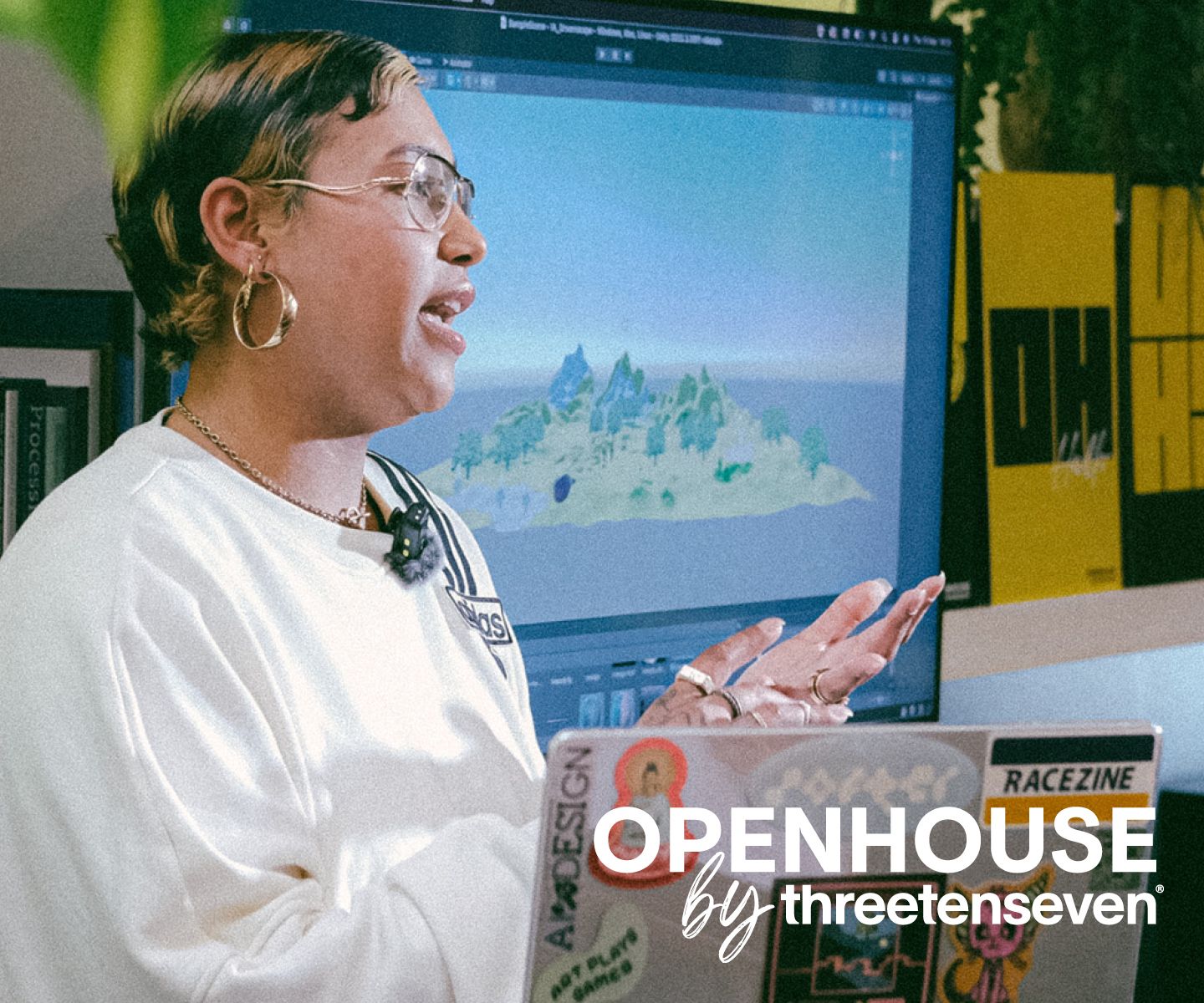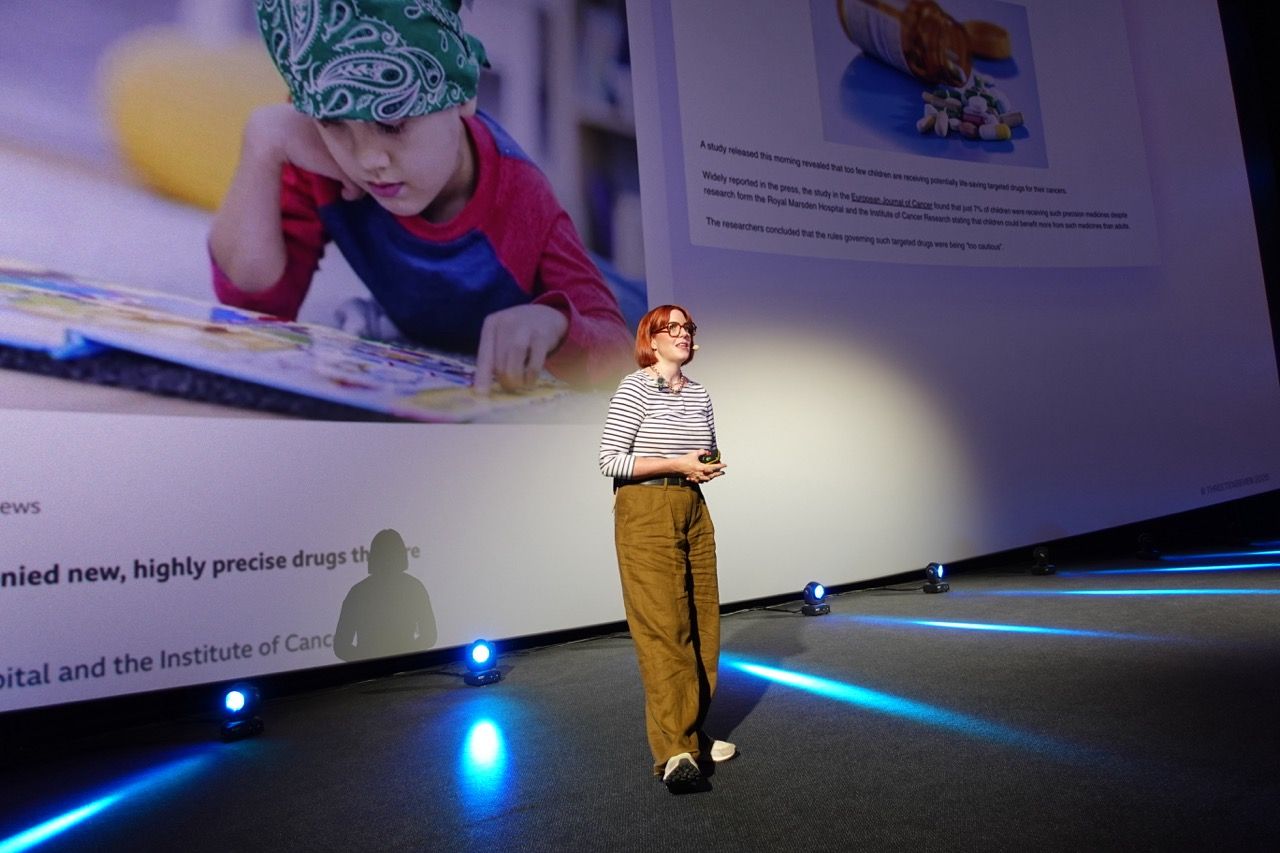
Last week I closed CSEM's TechBio Day in Zurich, at the end of a full day on health diagnostics, with an audience of engineers, founders, clinicians and regulatory people. Point-of-care testing in the morning, microneedles that take a sample without anything anyone would call a needle, clinical-grade wearables after lunch… Then me, to talk about trust.
What I love is that CSEM bothered to put it on the programme at all, and put it last, deliberately, after everyone had spent seven hours proving that the technology works. That tells you they'd already worked out that the technology working was not the hard part!
That's an unusually honest thing for a research organisation to programme. I was glad to be asked, and gladder still that it wasn't a gesture, but a proper commitment to making sure innovation sticks.
What I said
There's a belief that runs through medtech and health technology (or in fact in any tech at all) which is that if you build the best thing, the smallest sensor, the most precise reading, etc, then the best thing wins. But it just does not… Adopted wins, and what gets adopted is never the best sensor, it's the one people trust enough to let close to them.
The Swiss health service makes the point better than any argument I could construct, which is why I used it as an example in Zurich. The Swiss electronic patient record is (was) a serious piece of national infrastructure, with almost every hospital connected, and yet only around 123,000 people in a country of nine million ever opened one. When researchers asked why, Swiss people said they rather liked the idea of a personally controlled health record. They just didn't believe it would make enough difference to their own lives to be worth the bother of signing up. In other words, the technology wasn't the failure, the belief was. (The Federal Council has since concluded that the only fix is to stop asking, with a bill now in front of Parliament to make the record automatic and opt-out by around 2030, which is an option almost nobody in that room at CSEM has.)
We did far worse in England. Our version was called care.data, scrapped in 2016 at a cost of roughly £8m, and Dame Fiona Caldicott's review that year found that trust in the use of patient data had been eroded. It was a massive failure, and not because we lost a programme, but because we also lost a chunk of confidence in the NHS, and some of us have spent the years since helping to rebuild it.
Trust is the difference between brilliant technology that exists and technology that gets used.
When it comes to building trust, the instinct in health tech can be to publish more, to put out another press release, be more transparent, share more data, more explanation.
However Alex Ruani, who researches health misinformation at UCL, points out that we assume more information leads to better decisions while the evidence suggests the opposite, and that people's confidence in their own judgement about their health is being eroded by the sheer volume coming at them… We as patients don't need more information, we need help knowing what to trust.
The good news is that isn’t just earned, it can also be engineered, ethically and without a word of deceit. If the product is genuinely good, the work is helping people understand why it's good and whether they should believe you.
What they asked
When it came to the Q&A after my fireside chat, I was thrilled that not one question challenged the premise, as I'd half expected to have to defend it. Phew. No, every question was about method: how you build trust with different stakeholders, how you do it in another culture, how you do it in a category nobody funds, how you do it when something has already gone wrong.
The best question of the day was whether it's easier to build trust in a brand new category or as the second product into an existing one. Second is much easier, because we're comparative beings, so 'we're like them, but better' hands you residual trust and residual understanding to build on.
The hardest position by a distance is rebuilding after something has gone wrong, and only an organisation the size and age of the NHS can take a hit like care.data and survive it. Most companies can't, which is why avoiding the accident matters more than any recovery plan.
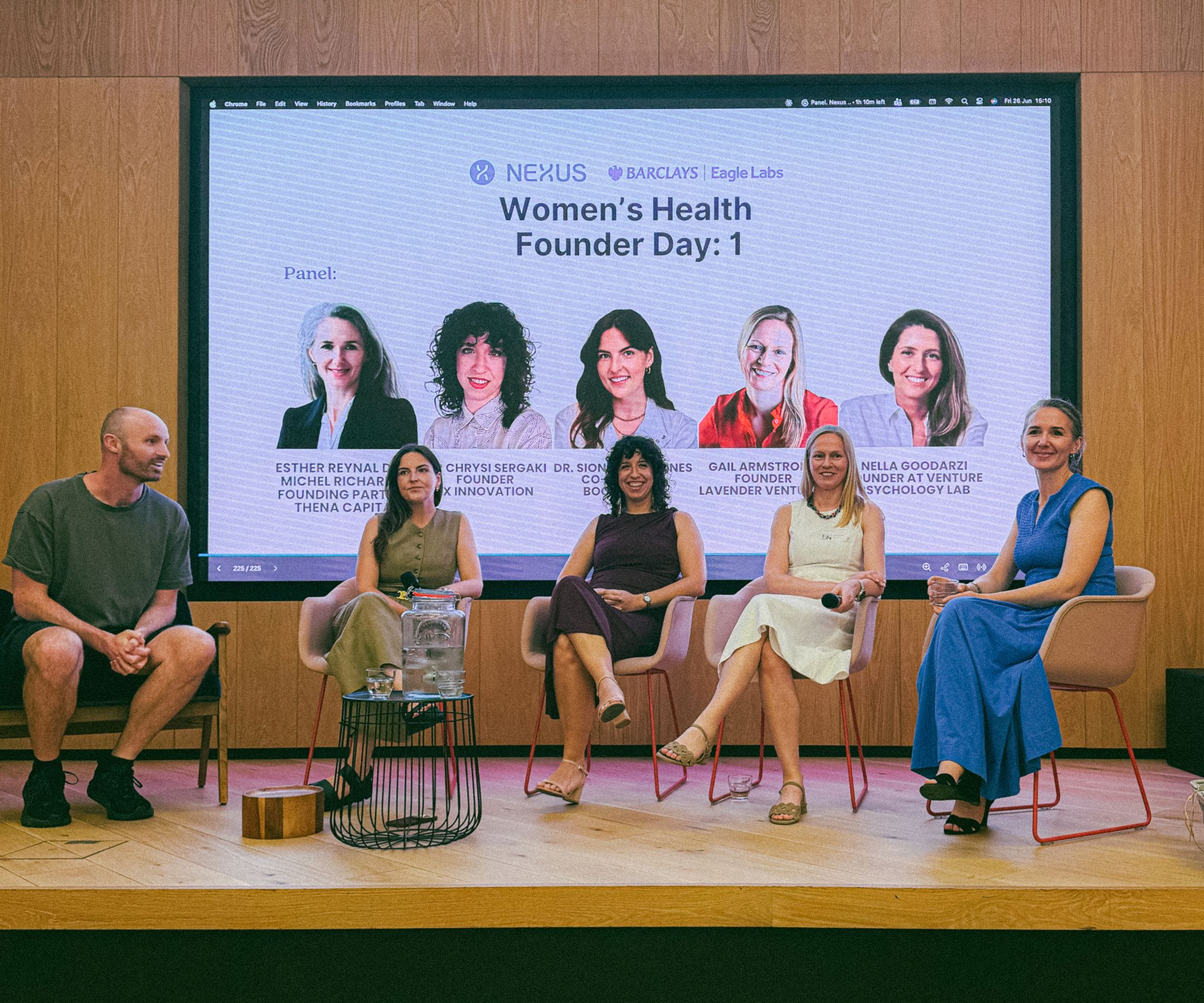
We finished on women's health, which wasn't on my slides but is one of my favourite topics. I cited the glorious fact that only 6% private health investment globally goes to female health products and companies, which I believe is mostly because the people with the money don't feel the need, rather than any kind of trust problem at all.
Trust does matter though, and Flo is the obvious case in point here, and I was pleased to get into it. My view on the question about how you build trust when data is up for grabs is that protection has to be proportionate: for example I don't really care who knows when my period is, but I'd mind enormously if it were personally identifiable and reachable by someone I hadn't chosen. Build the controls at product level and individual level, say plainly what happens, and let people decide whether the benefit is worth it. Most will, if the benefit is real and the telling is honest. Then you can say hello to trust.
I really love that I went to TechBio Day expecting to argue that trust deserved their attention, but found it didn't need arguing. It needs a method, an owner and a vocabulary, and because it falls between regulatory, engineering, sales and marketing it lands on nobody's desk until something breaks and then it's everybody's fault.
Thank you to Samantha Paoletti and the team at CSEM for the invitation, and for programming a conversation about a topic that most technical conferences leave out.
—
Rachel Burrell-Cook is Managing Director of ThreeTenSeven, a health brand agency.