On Tuesday, I had the pleasure of attending the paediatric HealthTech Sprint, organised by the NIHR HealthTech Research Centre in Paediatrics and Child Health.
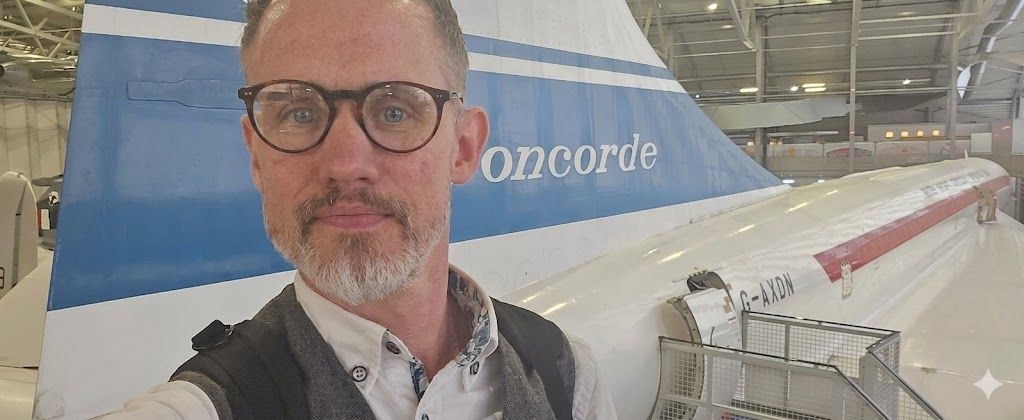
It was a brilliant day, made even more memorable by the venue: the Imperial War Museum. Sitting in discussions with Concorde just outside the room was an unexpectedly powerful backdrop. Here was one of the most extraordinary pieces of engineering ever created – a machine that, despite having stood in the same place for nearly 50 years, still holds the transatlantic flight record.
It felt like a fitting lesson for the day.
Because innovation, however brilliant, does not become impact by virtue of technology alone. For an idea to make a real difference, it needs evidence, operational reality, commercial sense, clear communication, collaboration and the support of the system around it. Otherwise, even the most remarkable innovation can become something people admire from a distance, wondering at what might have been.
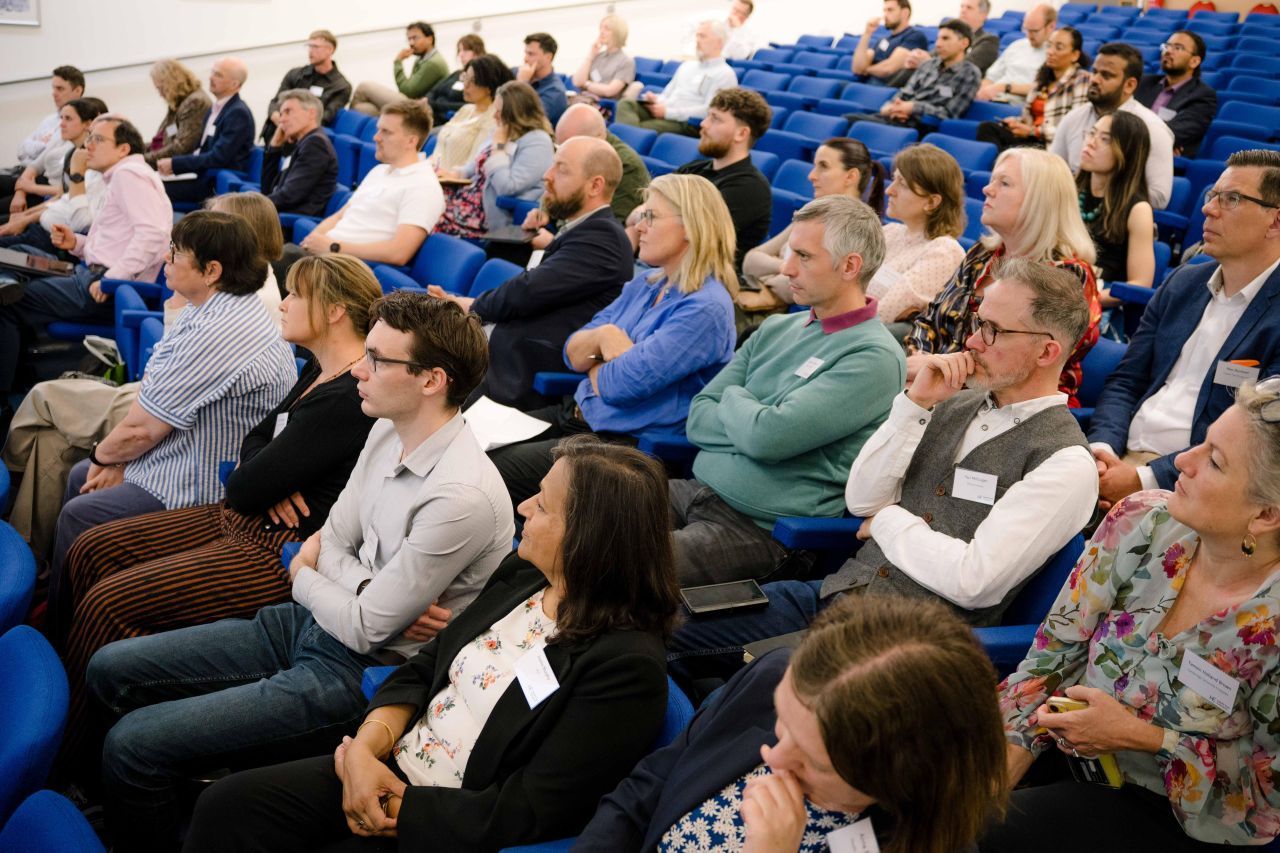
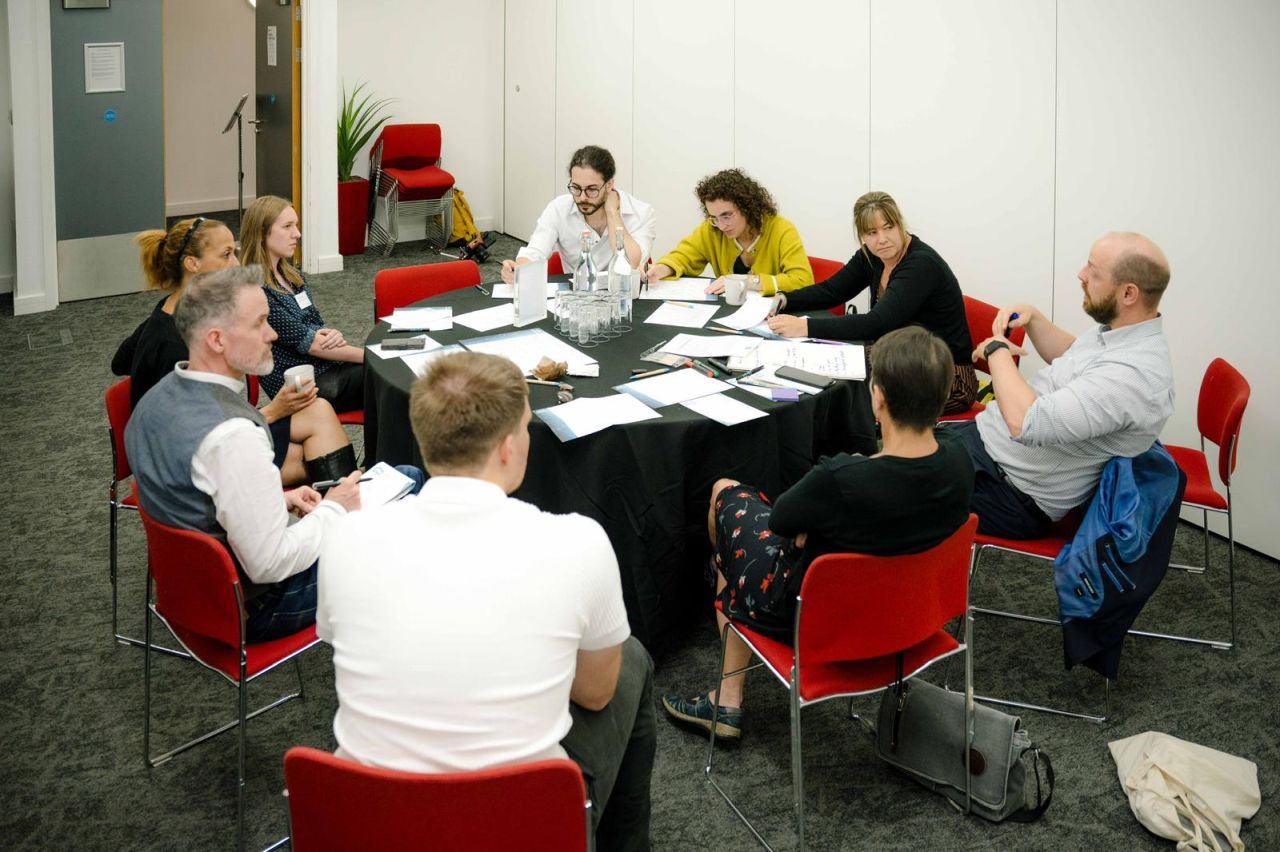
That was what made the HealthTech Sprint so valuable. It brought together innovators, clinical experts, researchers, commercial advisers and health system partners in a supportive but constructively challenging environment. The result was visible in real time.
The innovators pitched their ideas in the morning, then spent the day working intensively with panels of experts. When they came back to pitch again in the afternoon, the difference was striking.
The biggest improvement was not simply in structure or polish. It was in the humanity of the stories being told.
The pitches became much clearer about the real human need being addressed. The innovators spoke more powerfully about where their ideas had come from, the lived problems they were trying to solve, and the impact they could have for children, families, clinicians and healthcare systems.
They were also much stronger in balancing that human story with the value case for the customer – particularly where the customer is not the end user, but a healthcare provider or system. The strongest pitches were able to connect emotional impact with commercial reality, evidence, credibility, differentiation and a clear roadmap from vision, to MVP and trial, through to launch and wider adoption.
I was delighted to work with the PuffPuff team, led by Andrea Verga and Elisa Murray. Their innovation uses gamification to support adherence to asthma treatment regimes in young children, while also improving education and health literacy around the condition.
It was a real pleasure to hear their story, understand their passion for the project, and help them strengthen their pitch through productive conversations and challenge throughout the day. PuffPuff clearly has huge potential, and I wish Andrea, Elisa and the team every success as they continue to develop it.
Congratulations also to Dr Mark Cox and Orli, the overall winner of the Sprint, and to Alex Grafton and Meerkat, who also won two of the prizes on the day. Both are fantastic innovations, and I’ll be following their progress with real interest.
My main reflection from the day is this: health innovation thrives when people come together across systems to share expertise generously, challenge constructively, and help promising ideas become more practical, compelling and investable.
Great technology matters. But the story, the evidence, the route to adoption and the ability to make sense to both users and buyers matter just as much.
That is how innovation moves from possibility to impact.