Reflections from HLTH Europe 2026: What the biggest health tech conference tells us about where the industry is headed
Amsterdam last week, 5,000 people and more than one unicorn. Every major player from Google and Microsoft down to two-person startups pitching to health systems they've never met before. HLTH Europe is, by some margin, the most energising event in the health tech calendar, yet at the same time the most tiring…
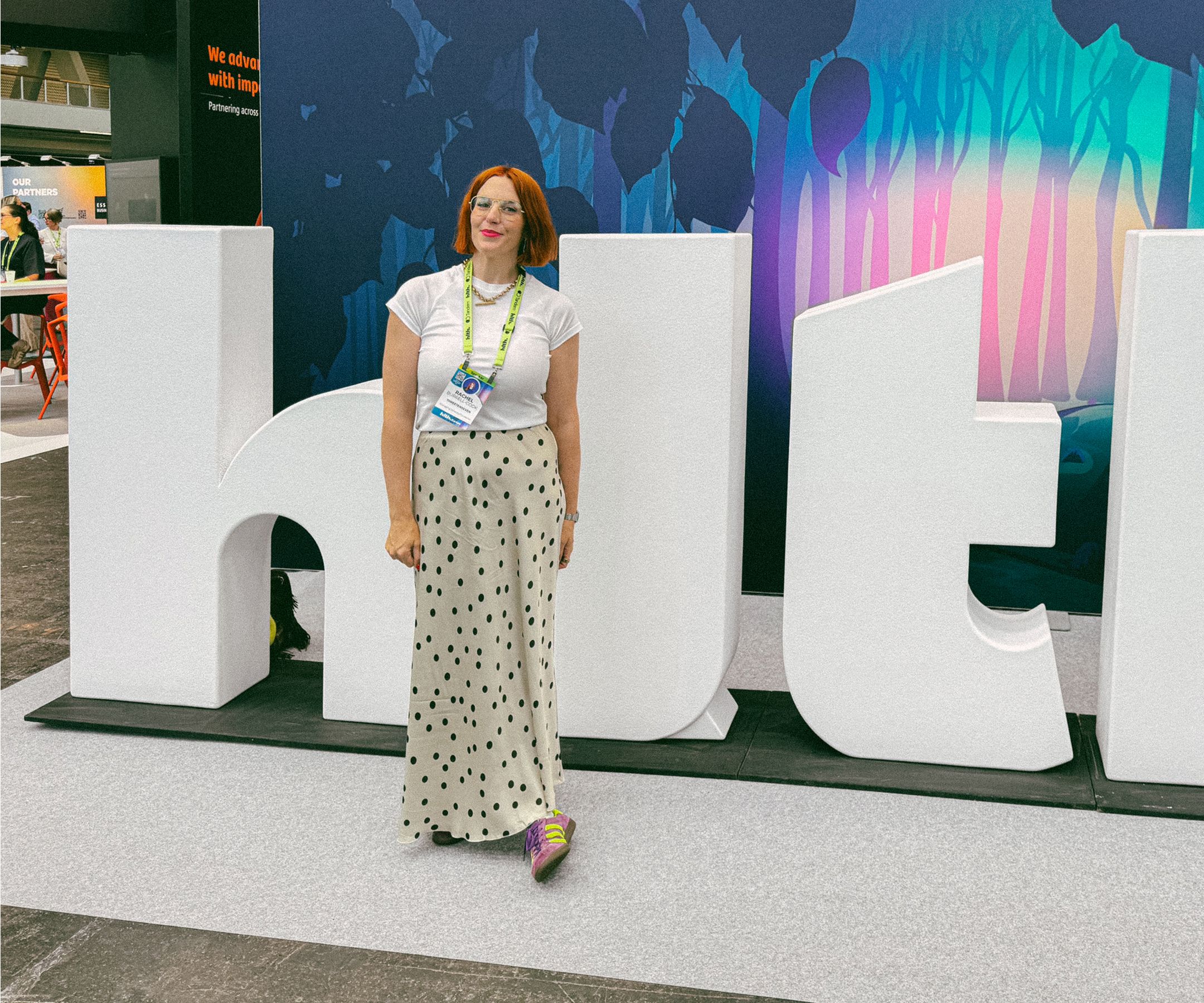
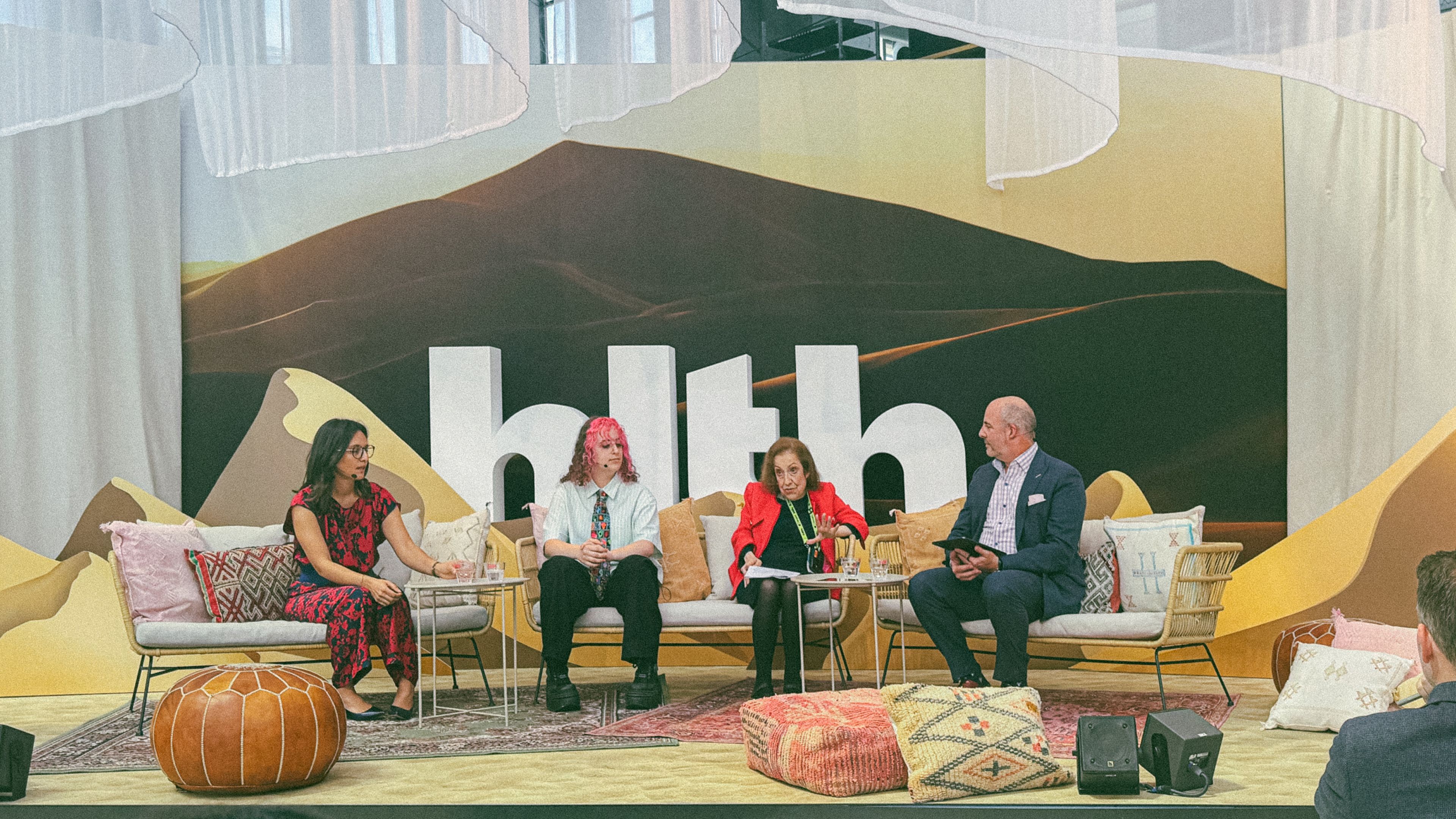
I was pleased to be there not just as a delegate this time but also as a host of a women’s health roundtable. It gave me extra perspectives to chew on, so I’ll share that in the coming days. (Follow me on LinkedIn to hear about that one.)
More generally, it was great to see another strong British contingent this year — including my clients Clinical Partners, Northpoint and Nexus, alongside Richard Stubbs from Yorkshire and Humber HIN, Allotype and others — plus so many others. And noticeably, despite all the NHS doom and gloom in the UK, people were keen to hear from us; the UK perspective still carries real weight in these rooms.
What I also valued, especially having spent the previous week at NHS ConfedExpo, is that HLTH Europe is willing to push debate. The NHS community is remarkable and the work being done is genuinely hard. But there's a risk that mutual solidarity crowds out difficult conversations. HLTH Europe's programming is deliberately opinionated, and that's exactly what the sector needs. For example they had someone from YouTube on the panel about banning social media which added some lovely spice to the debate (even if his employer had him sticking to a very strict script).
The state of AI: maturity is setting in
AI dominated the agenda, as expected. But the tone has shifted. The "AI will save healthcare" energy has largely gone because we all (well, all those in attendance at least) know the answer. What's replaced it is more useful: harder questions about implementation, about what we're actually trying to achieve, and about the gap between what's technically possible and what health systems can realistically absorb.
Data was the other recurring theme — not just that we have it, but how to unlock it meaningfully. Ambient voice technology also had a significant presence, with Heidi and Tandem among the companies making a credible case that it's moving from novelty to genuine clinical utility. Loved seeing Ditto there as well, who offer scribes for patients (and free ice creams at HLTH), so a real patient empowerment piece.
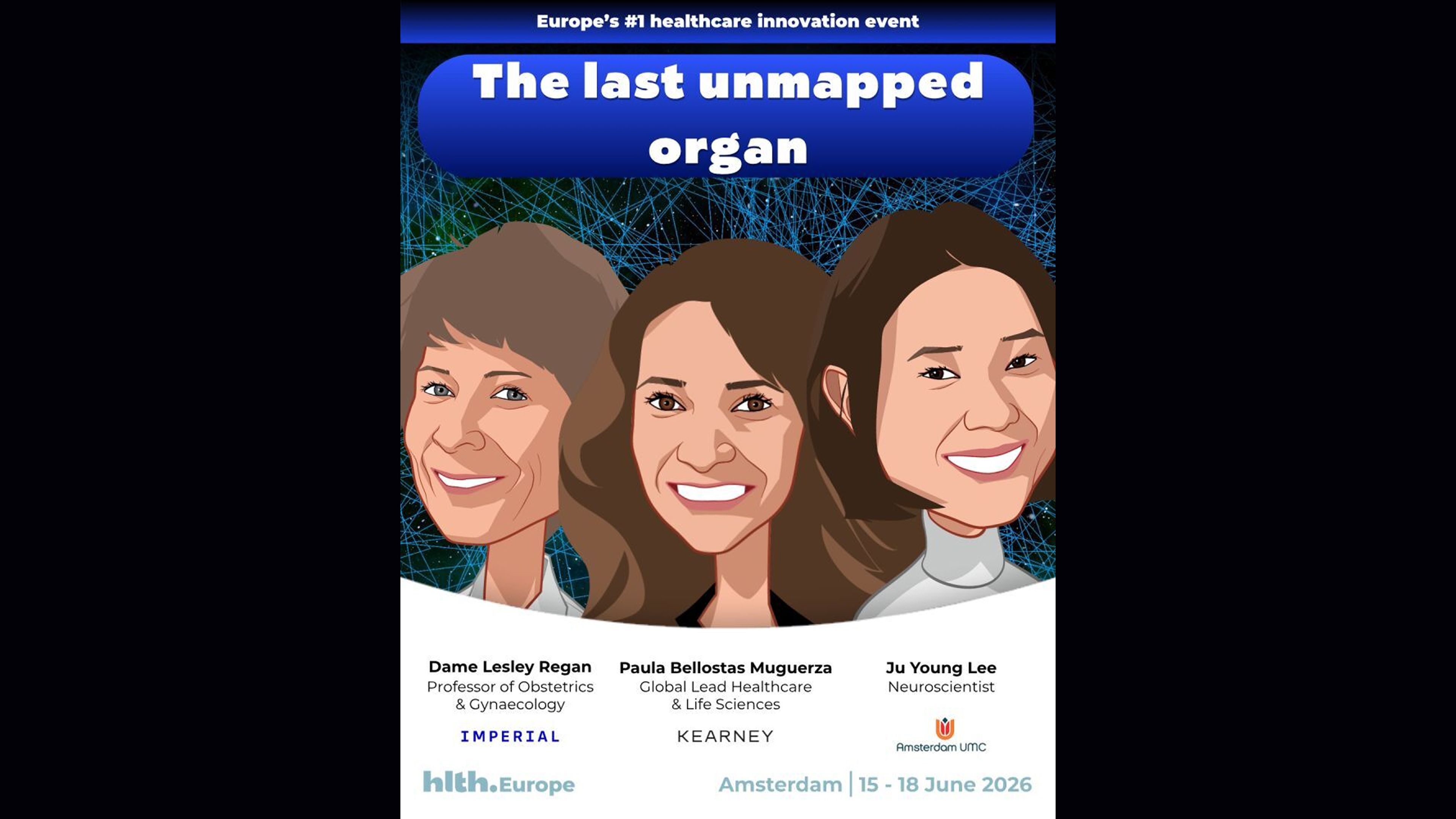
Women's health continued to receive strong coverage, and the clitoris even made the main stage. The conversation around menopause and historically underfunded women's conditions has clearly reached an even louder volume, but there’s still a huge way to go if we’re still talking about problems, not solutions. I’d like to see us stop having to rely on (the incredible) Dame Lesley Regan talking about WHY we need to invest more, and talking about the incredible ways that investment is paying off.
The gaps that stood out
Two things were noticeably absent to me:
Children's health. Paediatric health tech arguably warrants its own conference at this point, but that's precisely why it needs at minimum a dedicated track at a flagship event. The clinical and commercial challenges are distinct enough to deserve proper focus.
Mental health. It featured, but not with the weight the crisis warrants. As physical health AI matures, there's a risk that mental health continues to be treated as the harder, messier problem to defer.
The really good stuff happens in the margins
Anyone who’s been to HLTH knows that the formal programme is almost secondary. The value is in the corridors, the boat parties, the Wednesday night BITE thing. Basically in the informal moments where people say things they wouldn't put on a slide. The volume and quality of conversations this year was extraordinary (and that’s the bit that really tires you out!).
The MAJOR human element that the industry still hasn't resolved
The piece that remains genuinely underserved — not just at HLTH Europe but across health tech — is the communication gap between the sector and the people it's building for.
We talk a great deal about unlocking data, about cool tools and integrations. But we talk far less about why patients should trust us with it, and how we earn that trust through clear communication, transparent systems and stories that make the stakes real and human.
This isn’t me saying it needs to be a comms conference, heck no, but it’s about recognising that there is no health tech without patients. They are not the end user — they are the entire point. If we are building systems without bringing them along, without explaining the value exchange, without addressing legitimate concerns about privacy and safety, we are building for ourselves—tech bros having a nice time comparing their data stacks…
Real-world evidence, patient stories, safety-first data communication, genuine compliance that goes beyond box-ticking — these are not marketing considerations, they are foundational. Until the industry treats them that way, the gap between what is technically possible and what actually gets adopted will remain stubbornly wide.